

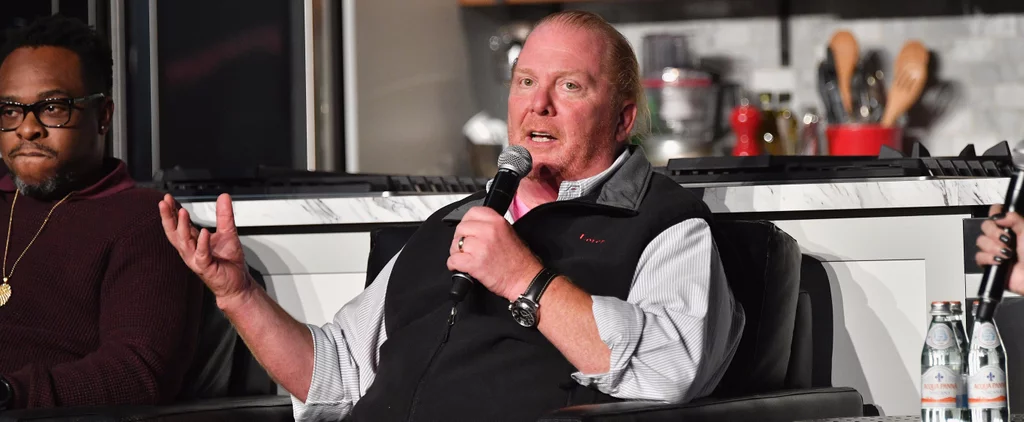
Celebrity chef Mario Batali was recently compelled to settle a $5 million class action lawsuit amid claims of flouting labor laws. However, many believe that due legal procedures were not adhered to, thereby questioning the legitimacy of the claims.
The case revolves around the citation 29 USC 216(b), which is not a violation code, but an enforcement regulation. It directs the Department of Labor (DOL) to ensure that employers pay social security benefits and legal fees. In such cases, jurisdiction falls under the DOL, not the federal government.
According to the Fair Labor Standard Act 1938, an employer must infringe on specific sections before being eligible for a lawsuit. These include 29 U.S.C.A. 206, 207, and 29 U.S.C. 255. After identifying the violation through an audit, the DOL is responsible for involving all potentially affected employees and obtaining their consent to join the lawsuit against the employer. Only then can the DOL proceed to file summons and complaints to enforce 29 U.S.C.A. 216.
However, the process seemed to have been bypassed in Batali’s case. Many argue that the lawsuit was pursued due to Batali’s high-profile status, creating a precedent that leaves employers susceptible to similar schemes.
In this lawsuit, the provided consent is said to be invalid. The agreement was formed without DOL’s involvement and the necessary 29 U.S.C.A. 216 (b) clause. Before any lawsuit can be filed, labor law requires the DOL to audit and identify violations of the mentioned codes. However, Batali’s case lacked this necessary step, painting the lawsuit as a potential scheme.
A controversial aspect of the lawsuit was the summary judgment that granted the plaintiff’s demand to disclose the personal details of potential opt-in plaintiffs. This judgment breached legal bounds, as it doesn’t permit courts to order defendants to reveal such details. This act violated the defendants’ 14th amendment rights, leading to severe consequences for Batali.
In conclusion, Mario Batali’s settlement of the $5 million lawsuit has raised significant concerns about the proper execution of labor laws and the implications of the case on future labor-related lawsuits. While the case is closed, the discussions surrounding the legitimacy of the process remain ongoing.