

Beneath the veil of trust’s diminishing light, a tale of deceit and artful duplicity has emerged from the shadows, interlacing the lives in Queens County, Georges Beauchamp, and Emmanuel Pierre-Louis into a legal drama as intricate as the brushstrokes of a masterpiece. Dorvilier, a self-made man with a deep appreciation for exquisite paintings, finds himself at the epicenter of a case that resembles a novel’s plot, with twists that challenge the very foundations of friendship and honesty. The case was filled to the Supreme Court of the State of New York, County of Queens.
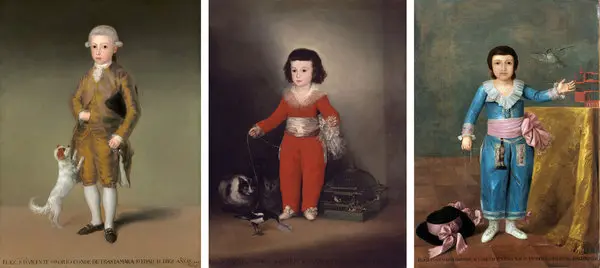
At the crux of this narrative lies a canvas-framed replica of “Don Manuel Osorio Manrique de Zuniga,” commonly referred to as “GOYA,” an original work by the renowned Spanish artist Francisco Goya. This painting, once a prized possession in Dorvilier’s art collection, was acquired at a modest price of $250 from LDR Studio Gallery in early 2012. The lawsuit alleges that this artwork, unbeknownst to its rightful owner, was destined to become a silent witness to an alleged betrayal.
Dorvilier’s residence, a private haven in Rosedale, New York, transformed into a sanctuary for Beauchamp, an old friend from the Dominican Republic, and his wife as they sought medical treatment in the United States. During this period, it is suspected that Beauchamp, along with Pierre-Louis, a mutual acquaintance and Dorvilier’s real estate broker, orchestrated a cunning scheme to misappropriate the “GOYA.”
While Dorvilier diligently focused on his business endeavors, Beauchamp, recovering from surgery, enjoyed unfettered access to the apartment, an opportunity that the lawsuit suggests was exploited to facilitate the painting’s disappearance. Beauchamp’s initial explanation of a potential burglary during a brief absence from the residence laid the groundwork for a police report that would remain unresolved.
Years later, in a conversation that abruptly shifted from the global pandemic to local deception, Beauchamp reportedly confessed to taking the painting and selling it to Pierre-Louis, revealing a premeditated conspiracy fueled by desire and financial gain. Pierre-Louis’s subsequent dismissal of Dorvilier’s appeals for the painting’s return only deepened the intrigue and suspicion surrounding the artwork’s fate.
This legal action, meticulously constructed on the foundation of information and belief, portrays two friends, Beauchamp and Pierre-Louis, entangled in a web of deceitful misrepresentations. It is a narrative of lost art and lost faith, where the veneer of friendship was meticulously peeled away to expose a stark canvas of greed.
Dorvilier seeks justice in the form of monetary compensation, not less than $100,000, along with the return of his beloved “GOYA.” The case stands as a testament to the delicate balance between trust and vigilance, serving as a cautionary reminder that not all is as it seems, especially when art and old friendships intertwine.
As the court deliberates on the presented evidence, the art world holds its breath, for the resolution of this case extends beyond the ownership of a single painting; it touches upon the integrity of personal bonds and the sanctity of one’s domicile as a sanctuary for cherished possessions.
This tale of alleged theft, as intricately intertwined with legalities as it is with the humanities, continues to unfold, leaving observers to ponder the cost of trust and the value of a piece of art that became a pawn in a game of deception.