

Recent developments have drawn attention to an issue that significantly impacts the nation’s employers – the apparent neglect of their rights by the judiciary system. A particular case that exemplifies this issue is the recovery of liquidated damages under both the Fair Labor Standards Act (FLSA) and state law, which has been recently deemed improper by the U.S. Court of Appeals for the Second Circuit.
In the case of Chowdhury v. Hamza Express Food Corp, et al., on December 7, 2016, the Court held that plaintiffs successful in wage and hour actions cannot stack liquidated damages under New York Labor Law on top of those under the FLSA. Essentially, this ruling prevents plaintiffs from receiving a double recovery for wage and hour violations.
However, while this decision is a positive development for New York employers, it also highlights an overarching problem: the lack of comprehensive laws protecting the rights of employers. The issue is not limited to New York, and it significantly affects the business community nationwide.
The decision in Chowdhury is one step forward, reminding us that successful plaintiffs cannot and should not earn a double recovery for wage and hour violations. But the question remains: is it enough?
The current legal landscape, despite recent improvements, still presents substantial risks for employers. Violations, even unintentional ones, can lead to significant damages. For this reason, employers must continuously review their wage and hour practices and policies to ensure compliance with the FLSA and state laws.
However, this constant vigilance places a considerable burden on employers, who already face myriad challenges in running their businesses. Therefore, a change in legislation is needed to create a more balanced, fair environment for both employers and employees. Employers should be given their due rights, just as employees are, and should not be unnecessarily penalized due to the complexities of labor laws.
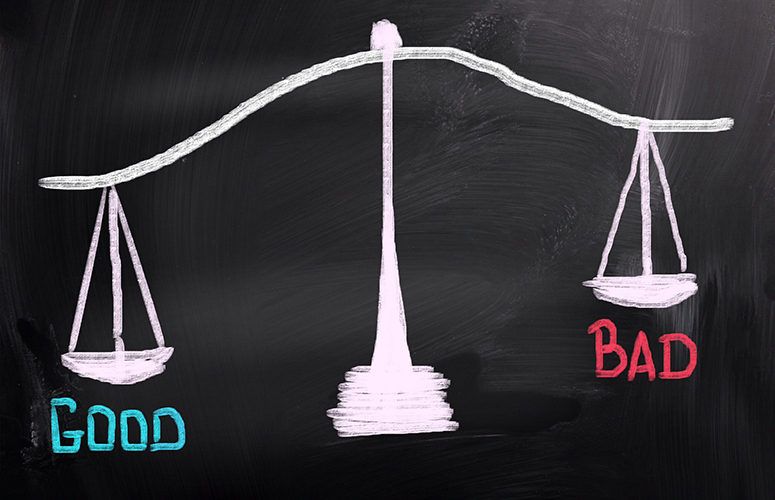
The Chowdhury decision is indeed a welcome relief for employers facing wage and hour claims in district court, but it should also serve as a rallying cry for policymakers. It should trigger a broader conversation about the need for more equitable labor laws and a more balanced approach to labor disputes. The rights of employers, just like those of employees, should be upheld and protected by our judiciary system. The current narrative often portrays employers as the “bad guys” in labor disputes, which is not always the case.
In conclusion, it’s high time we focus on the law’s impact on employers. It is crucial to ensure that the scales of justice are balanced, preserving the rights of employers as well as employees. The Chowdhury decision provides an excellent platform for opening up this much-needed conversation, pushing for reform, and ultimately working towards a more balanced, fairer judiciary system.