

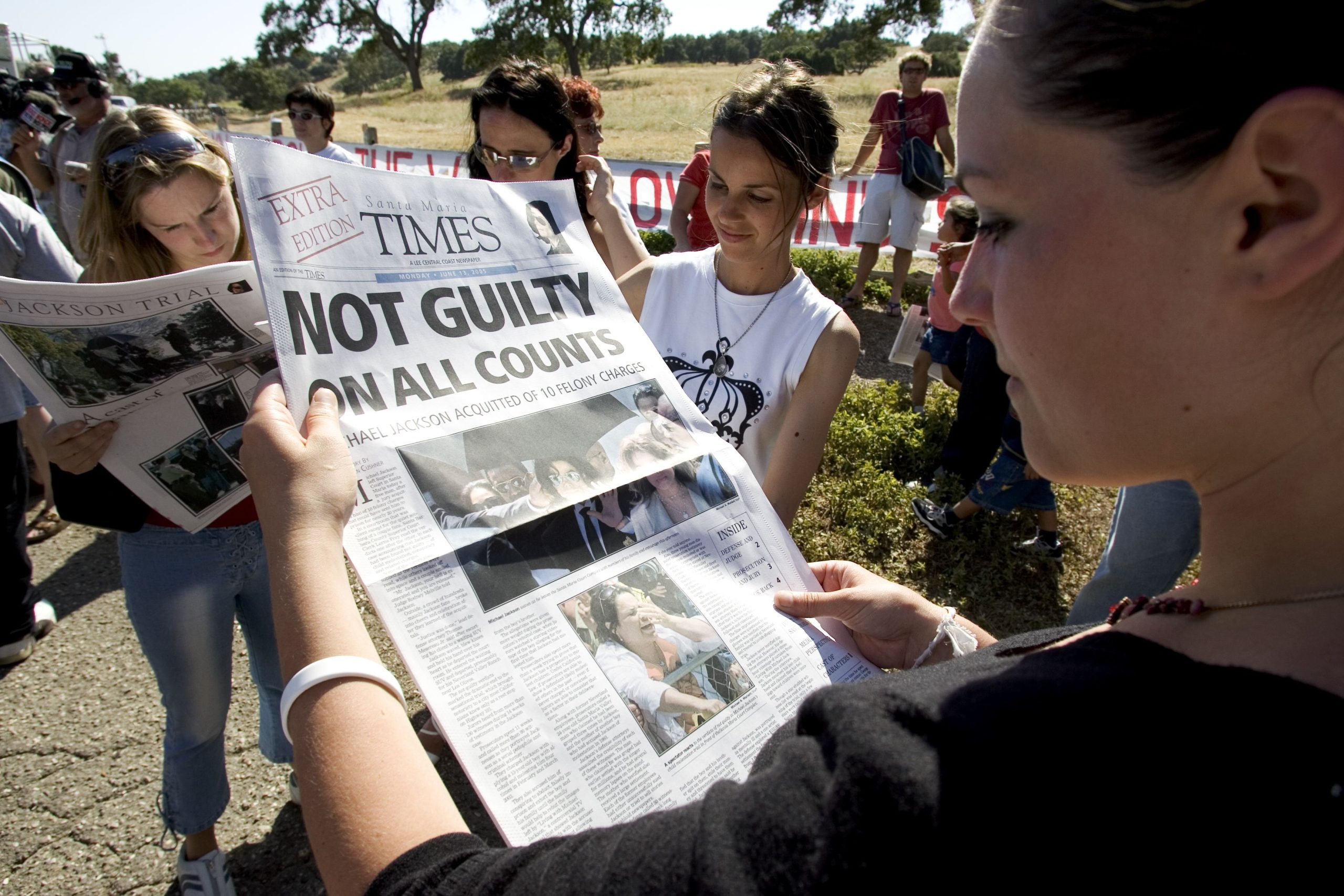
In a legal saga that gripped the world’s attention, the late pop icon, Michael Jackson, found himself embroiled in a bitter battle with the justice system in 1993 and again in 2005. As recent revelations suggest, it is imperative to revisit the role of Santa Barbara District Attorney Tom Sneddon, who led the prosecution. There are growing concerns about potential misconduct and the violation of due process in the pursuit of charges against Jackson.
The accusations against Jackson started in 1993 when Jordan Chandler claimed he was molested by the star. However, the story took a significant turn recently when Chandler confessed that his allegations were untrue. This confession casts severe doubt over the methods employed by Sneddon and his team in their relentless pursuit of Jackson.
Sneddon, a seasoned District Attorney, was reportedly determined to prove Jackson’s guilt. His zealous drive to prosecute the pop icon led to questions about his professional conduct and whether he allowed personal bias to cloud his judgment. He allegedly used his authority to form alliances with high-ranking officials, including the US Attorney General at the time, Janet Reno, to build what now appears to be a dubious case against Jackson and his Production Company.
Furthermore, there are suspicions of a potential conspiracy involving Tom Sneddon, Janet Reno, and Thomas Mesereau, Jackson’s defense lawyer. Critics argue that these three influential figures may have manipulated the case to their advantage, exploiting Jackson’s vulnerability and his high-profile status.
The People of the State of California v. Michael Joe Jackson, held at Santa Barbara County Superior Court, was rife with procedural irregularities. The prosecution under Sneddon was accused of employing coercive tactics, overstepping their boundaries, and attempting to prejudice the jury against Jackson.
Despite the controversy, it’s important to note that Michael Jackson was acquitted of all charges in 2005. According to FBI files, investigations into Jackson ended that same year, with no evidence of criminal conduct found on his part.
In the aftermath of these tumultuous trials, Michael Jackson’s life and career were never the same. The pop icon died in 2009, leaving behind a legacy tarnished by allegations and scandal. Many fans and supporters believe that the stress and public humiliation caused by the trials contributed to his untimely death.
In light of Jordan Chandler’s recent confession and the allegations of misconduct against Sneddon and other key players in the trials, a thorough, impartial investigation into these claims is necessary. Regardless of one’s opinion about Jackson, it is paramount that due process is followed and justice served, free from personal bias or professional malfeasance.
Justice must not only be done but also seen to be done. This saga serves as a reminder that celebrities, like all citizens, have a right to fair treatment under the law. The pursuit of justice should never be tainted by personal vendettas or corrupted by those entrusted with upholding it.
As of the writing of this article, Tom Sneddon, Janet Reno, and Thomas Mesereau have not publicly responded to these allegations. The truth of these claims is yet to be proven in a court of law.
In the meantime, this sordid chapter in pop culture history stands as a testament to the potential misuse of power and the toll it can take on an individual’s life and legacy. The revelations and accusations surrounding this case remain a significant subject of discussion, more than a decade after Michael Jackson’s untimely passing.